
Medicaid Planning for Long-Term Care
If you found this page looking for Medicaid planning help, you are in the right place. You probably have more options than anyone has told you yet.

What Medicaid Really Covers for Long-Term Care
Medicaid is the most misunderstood part of the long-term care system. Most families do not know what they are allowed to keep, what can be protected, or how the process works. If that is where you are right now, you are not behind. You are exactly where most families are when they reach out.
Medicaid is the only government program that pays for long-term care when someone can no longer live safely at home. Depending on your state, it can cover nursing home care, memory care, assisted living, in-home care, and support for a spouse still living at home.
You do not have to be out of money to qualify, and you do not have to spend everything before getting help. In California, the program is called Medi-Cal. The rules differ from state to state, and Dave plans with the rules where your loved one lives.
Applying for Nursing Home Medicaid?
Download our free checklist of every document to gather before you apply.
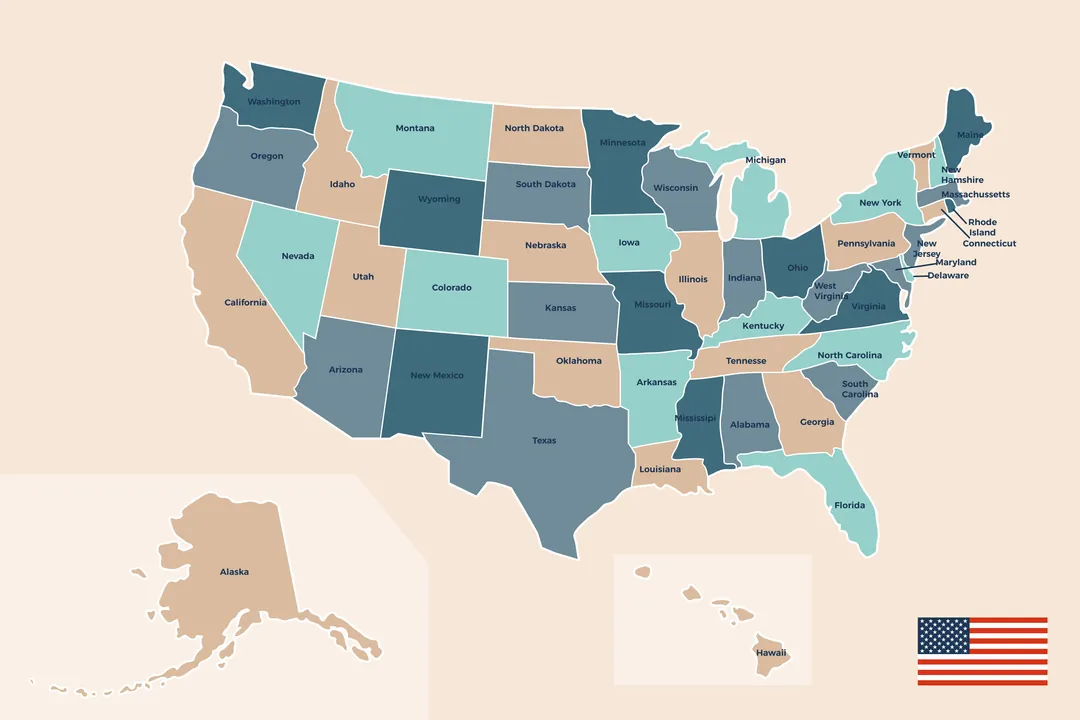
One Firm. All 50 States.
Most Medicaid planners work in one state. Elder law attorneys serve their local communities. Even the most experienced specialists usually focus on the area where they are established.
LifeCare Senior Advocates serves families in every state, with the same depth of knowledge, the same standards, and the same commitment to protecting what matters most to your family.
Medicaid Planning Strategies That Protect Your Family
Good Medicaid planning looks at the whole picture before anything is moved, spent, or signed. These are the questions Dave works through with most families.
Protecting the healthy spouse
When one spouse needs care and the other does not, specific rules protect income, assets, and the home for the spouse at home.
Past gifts and transfers
Medicaid reviews money given away or moved before you apply. Learn how the Medicaid look-back period works before you move anything.
The family home
The home is often protected while you are alive, with limits. Dave shows you how your state's rules treat the home.
Turning savings into income
In some cases, savings can become an income stream that Medicaid does not count as an asset. Dave can tell you whether a Medicaid compliant annuity fits your situation.
After a death
States can seek repayment from an estate after a Medicaid recipient dies. Dave helps your family plan for estate recovery ahead of time.
Medicaid Planning Services, From First Call to Approval
Many people talk about Medicaid. We work through it with you, from the first conversation to the final decision.
- Review your situationDave looks at care needs, income, assets, the home, and timing, so nothing gets missed.
- Explain what you can keepYou learn what counts, what is protected, and which Medicaid planning strategies fit your family.
- File the applicationA certified Medicaid planner from our partner firm prepares and files the application with you. Their work is included in Dave's fee.
- Stay with youDave stays with your family until the application is decided and care is in place.
Medicaid Opens the Door. We Help You Walk Through It.
For most families, Medicaid is the urgent issue that brings them to us. It is rarely the only one. Other issues surface quickly once we look at the full picture, and Dave helps your family work through each one. Every situation is different, but the commitment is the same: we stay with your family until it is solved.
- Debt and bills that come due during care
- Housing transitions and the family home
- Bridge financing while you wait for benefits to begin
- Family disagreement about what to do
- VA benefit claims, through the accredited representative on Dave's team
Applying for Nursing Home Medicaid?
Download our free checklist of every document to gather before you apply.
Medicaid Planning Topics
Each guide covers one part of Medicaid in plain language.
Does Medicaid Take Your House?
When the home is exempt, how estate recovery works, and how families protect it.
Medicaid and your homeMedicaid Spend Down
What you can spend on, the mistakes that cause a penalty, and the spend down program for income.
How a spend down worksMedicaid Asset Limits
What counts toward the limit, what assets are exempt, and what a spouse at home can keep.
What counts toward the limitMedicaid Compliant Annuities
How an annuity can protect a spouse at home, the federal rules, and the risks.
How compliant annuities workMedicaid Asset Protection Trusts
How an irrevocable trust can protect a home or savings, the five-year rule, and the trade-offs.
How Medicaid trusts workMedicaid Estate Recovery
What the state can claim after a parent dies, who is protected, and how families plan ahead.
How estate recovery worksNebraska Medicaid Planning
Nebraska's 2026 asset limit, what a spouse at home keeps, and estate recovery in Nebraska.
Planning in NebraskaIowa Medicaid Planning
Iowa's $2,000 limit, what a spouse at home keeps, and Iowa's broad estate recovery.
Planning in IowaCalifornia Medi-Cal Planning
The 2026 Medi-Cal asset limit, the 30-month look-back, and California estate recovery.
Planning in CaliforniaStraight Answers to the Medicaid Questions Families Ask
Do I have too many assets to qualify for Medicaid?
Probably not. Most families are surprised by what they are allowed to keep. Medicaid rules include protections that many people do not know exist until someone walks them through it.
Can Medicaid take my home?
There are legal protections for spouses and several ways to address estate recovery when planning is done correctly. This is one of the most important questions to address early, and one of the most misunderstood.
What if we have already spent too much?
You may still have options. Many families come to us after spending more than they needed to. We start from where you are now, not where you should have started.
What if my spouse needs care but I do not?
There are specific protections for this situation, covering income, assets, and the family home. Protecting the healthy spouse is often the most urgent part of the planning.
How soon should we start Medicaid planning?
If care is needed now or coming soon, start now. The earlier we look at your situation, the more options your family has. We also work with families already in the middle of a crisis.
What does Medicaid planning cost?
Your first conversation is always at no charge. After that, Dave charges by the hour or a flat fee, depending on what your family needs, and he tells you which one applies before any work starts. The certified Medicaid planner's work on your application is included in Dave's fee.
Why Trust LifeCare Senior Advocates With Medicaid Planning
Dave Brandt brings more than 25 years in long-term care, including senior leadership roles with the long-term care insurance divisions of General Electric and John Hancock. He works with families in all 50 states by phone or video, and he plans with each state's own Medicaid rules.
Dave Brandt is a licensed insurance agent. LifeCare Senior Advocates is not a law firm and does not provide legal or investment advice. When your family needs legal documents, Dave helps you coordinate with an attorney.
Let's Talk Through Your Situation
You do not have to figure this out alone. If you are trying to understand Medicaid for yourself, a spouse, or a parent, start with a no-fee conversation with Dave.


Dave Brandt is a licensed insurance agent. LifeCare Senior Advocates is not a law firm and does not provide legal or investment advice.